


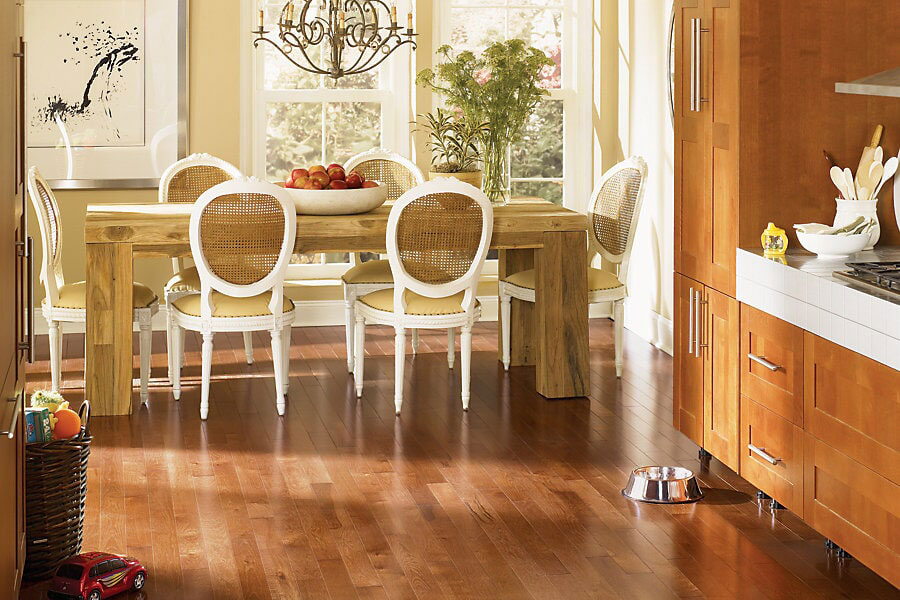
You only get one first impression when buyers walk through the door. In our market, that first impression is often the stretch of flooring they see from the entry into the main living area. If it’s dated carpet or orange, worn-out boards, buyers start mentally subtracting from your asking price. Updating to the right hardwood can flip that reaction completely, especially in older homes where wood floors feel “right” for the space.
Below, we’ll walk through which hardwood choices tend to help resale the most in and around Salt Lake City, and how to avoid expensive missteps in our dry, high-elevation climate.
Why Buyers Love Hardwood (and What That Means for Value)
Real estate data and local agents consistently say the same thing: properly chosen hardwood almost always helps resale value. It does three things for you:
- Makes listing photos pop and draws more showings
- Signals “low maintenance” compared to aging carpet
- Feels like a long-term upgrade, not a quick flip
In older neighborhoods, many buyers are actually hoping to find original wood under the carpet. When that’s not an option, they look for new planks that still fit the character of the house. That’s where a deep catalog of engineered and solid hardwood options becomes useful, because you can match style, width, and color to what buyers expect for your price point.
For secondary spaces where buyers still want comfort underfoot, you can keep budgets in check by pairing wood in the main areas with bedroom carpet chosen from the large selection of soft and durable carpet styles.
Solid vs. Engineered: What Works Best in Our Climate?
Our winters are dry, furnaces run hard, and humidity inside often dips below 30%. That’s tough on traditional solid boards, especially wider ones. They expand and contract with each season, which can lead to gaps, squeaks, and even minor cupping if indoor conditions swing too far.
Engineered hardwood is often the smarter resale choice here because it handles those humidity changes more gracefully. A real wood wear layer on top of a stable core means fewer seasonal gaps while still giving buyers authentic wood underfoot. When you compare engineered planks from brands like Hallmark and D&M, you’ll see a range of widths and colors that are built for this kind of climate.
If you already have solid boards in good shape, refinishing can be just as valuable as replacing. Many of the older homes we see between Sandy and the city center have red oak that responds beautifully to sanding and a modern stain, giving you that “new floor” look without tearing everything out.
In moisture-prone areas like basements or mudrooms, buyers usually care more about durability than pure authenticity. That’s where a waterproof plank from the luxury vinyl collection can complement hardwood elsewhere and still support overall value.
Colors, Widths, and Finishes That Appeal to the Most Buyers
When you’re planning to sell within a few years, it’s less about personal taste and more about what will feel timeless to the broadest group of buyers.
A few patterns we see paying off:
- Lighter to mid-tone browns tend to feel airy and current without being trendy. They hide dust and pet hair better than very dark stains, which buyers with busy lives appreciate.
- Moderate to wide planks (4.5 inches and up) read as more upscale in photos and in person, especially in open-concept living areas.
- Low-sheen or matte finishes hide small scratches from dogs, kids, and ski boots better than glossy surfaces.
You can quickly scan and compare light, medium, and dark tone hardwood lines to see what fits your walls, cabinets, and natural light. In mountain-style homes or townhomes, pairing those planks with a few well-chosen rugs lets buyers imagine their furniture dropping right into place.
If you’re curious how these choices have played out in real homes, it can help to look at photos of recent local installations to see which looks feel “move-in ready” versus dated.
Budget, ROI, and Where to Spend vs. Save
You don’t have to re-floor every square foot to boost resale. In many cases, investing in the main level and high-traffic areas brings most of the return. Stairs, great rooms, and kitchens set the tone; secondary spaces can follow with more budget-friendly materials that still look intentional.
For example, in a two-story house, you might:
- Install engineered hardwood on the main floor where buyers focus most
- Use a comfortable, durable option from the extensive carpet catalog upstairs, taking advantage of padding at cost to upgrade the feel without blowing the budget
Buyers also pay attention to how professionally the floor is installed and finished. Gaps along baseboards, creaks, or poorly transitioned thresholds can undercut even an expensive product. If you’d like to know more about the people behind the work, you can read about the locally rooted team that runs the Sandy showroom and see why so many neighbors mention Corey by name.
If you’re weighing hardwood options with resale in mind and want a second opinion, we’re happy to talk through it with you. You can book a free measurement and in-home estimate, and we’ll bring samples so you can see exactly how different woods will look in your light before you commit.


