


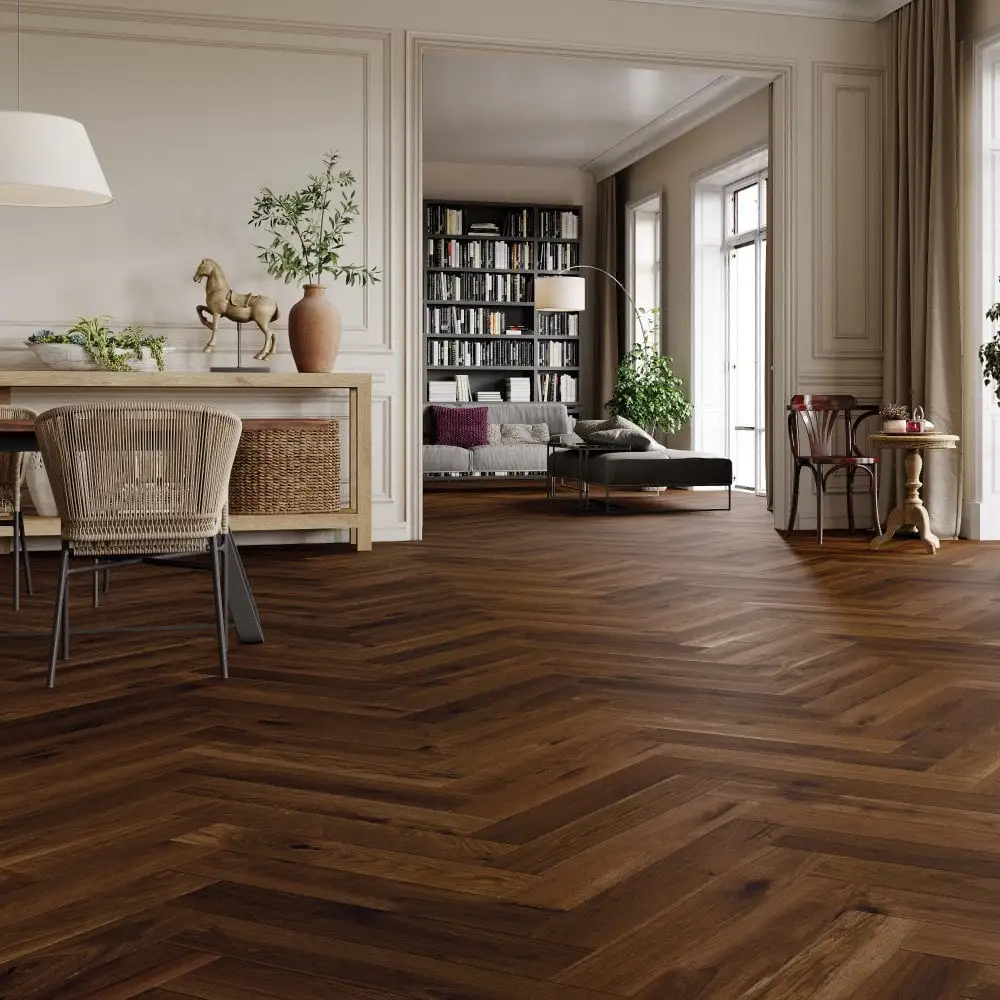
When someone in the family struggles with allergies, every bit of dust suddenly matters. You notice how often the kids flop on the floor, how much pollen comes in on the dog, and how dry winter air in Utah seems to stir everything up. It’s usually about this time that flooring jumps from “someday project” to “we need to fix this now.”
Hard surfaces like hardwood and laminate can make a real difference, but only if you choose and maintain them thoughtfully. Here’s how to think it through.
Why Hard Surfaces Help With Allergies
Allergens need places to hide. Soft, fibrous materials give dust mites, dander, and pollen lots of nooks and crannies. Hard surfaces don’t.
Both hardwood and laminate offer:
- Smooth, non-fibrous surfaces that don’t trap dust deeply
- Easy vacuuming and damp-mopping, so particles are removed instead of pushed around
- Fewer “reservoirs” for mold, compared with flooring that can stay damp
In our dry climate, especially through winter furnace season, airborne dust is already a challenge. Swapping older, worn-out carpet in main living areas for hard surfaces is often one of the simplest upgrades allergy-sensitive families can make.
Hardwood for Allergy Relief: What to Look For
Hardwood appeals to a lot of families because it’s natural, long-lasting, and can be refinished instead of replaced. For allergy concerns, you’re mainly thinking about surface smoothness, finish, and stability.
Engineered hardwood is often the better fit in this region because it handles humidity swings more calmly than solid boards. When you browse the engineered hardwood lines that handle seasonal changes, look for:
- Low-gloss or matte finishes that show less dust
- Factory-applied finishes with tight seams, so debris doesn’t pack into gaps
- Plank widths that work well for your space without creating excessive movement
For families in older homes who already have wood under existing carpet, refinishing can be a very allergy-friendly move. Sanding and sealing older oak or maple removes years of trapped dust and gives you a fresh, cleanable surface without introducing new materials.
If you want to see how this plays out in real houses, our gallery includes photos of completed installs across the Wasatch Front so you can picture similar solutions in your own rooms.
Laminate as a Budget-Friendly Allergy Upgrade
Laminate has a strong case for allergy-conscious families who also have kids, pets, and heavy traffic. Like hardwood, it doesn’t hold onto dust the way soft surfaces do, but it often brings extra durability at a lower price.
The key details that matter for allergies:
- A sealed, dense surface that doesn’t harbor mites when kept clean
- Tight click-lock joints that limit places for debris to collect
- Easy replacement of individual boards if something is damaged
Families who need a tough, wipe-clean surface in busy spaces often end up looking at AC4 and AC5 laminate with realistic wood textures. These lines combine the low-maintenance benefits of hard flooring with enough scratch resistance to handle boots, backpacks, and dog claws without constantly refinishing.
Where Carpet Still Makes Sense (And How to Do It Smarter)
Many allergy-sensitive families still want softness somewhere—usually bedrooms or a basement play area. The trick is choosing the right materials and upgrading the pad, so you’re not creating a dust trap.
Shorter, denser piles are easier to vacuum thoroughly than long shag. Pairing that with a quality pad that doesn’t break down quickly helps you keep the whole system cleaner for longer. Because we offer padding at our cost, you can step up to better cushion under one of the many dense, low-pile carpet styles without blowing the budget.
In moisture-prone areas like basements or entries, some families prefer a hard surface with area rugs they can wash or replace. That’s where waterproof options like luxury vinyl planks in wood and stone looks can complement your hardwood or laminate in the rest of the home.
Daily Habits That Make Hard Floors More Allergy-Friendly
Installing hardwood or laminate is only half the equation. The other half is how you care for it:
- Use a vacuum with a hard-floor setting or soft brush to pull up fine dust.
- Damp-mop with a lightly moistened pad rather than soaking the floor.
- Keep entry mats clean so less pollen and grit comes inside.
- Consider a regular schedule for deeper cleaning during peak pollen seasons.
Because we live and work here, we see how outdoor lifestyles and dry air affect real homes day after day. Our team is always happy to talk through what has worked well for other local families who are trying to calm down allergy symptoms without sacrificing warmth and style.
If you’re weighing hardwood versus laminate for an allergy-sensitive household and want some guidance tailored to your rooms, you can book a free measurement and quote. We’ll come to your home, bring samples, and help you compare options under your own lighting so you can breathe a little easier about your decision.


