


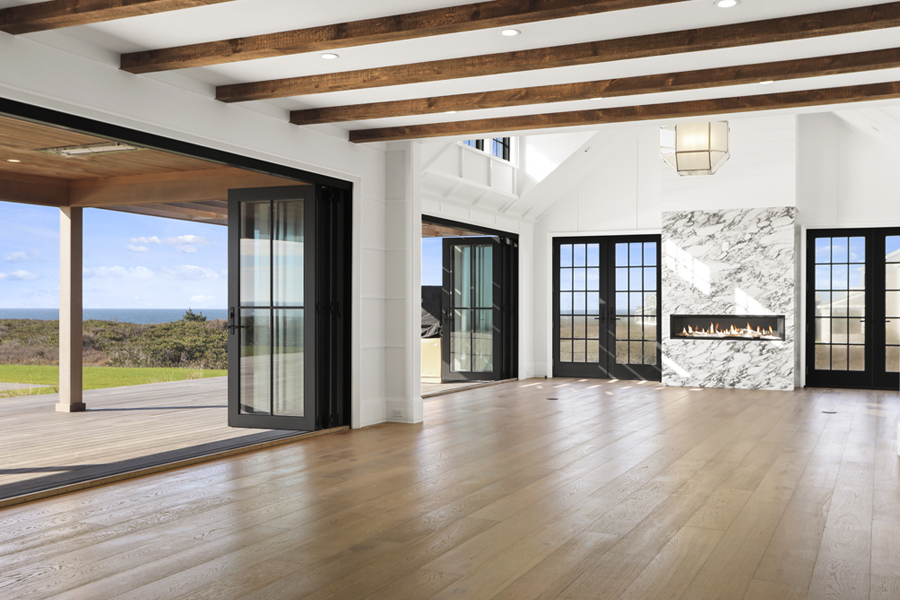
You’ve been staring at those worn-out floors all winter, imagining how much warmer and cleaner your home would feel with fresh hardwood. Then the big question hits: what is this really going to cost, and how do I plan for it without blowing the family budget?
Hardwood is an investment, but it doesn’t have to be a financial mystery. With a little structure, you can move from “no idea” to a realistic, line-by-line plan.
Step 1: Know What Drives Hardwood Pricing
Before you pick a color, it helps to understand what actually moves the numbers up or down. For most projects, total cost breaks into a few main buckets:
- Wood itself (species, grade, and brand)
- Labor (demo, prep, installation, finishing)
- Subfloor work and transitions
- Extras like baseboards, stairs, and vents
Wood choice is usually the biggest driver. Wide-plank European oak from a premium brand will cost more than a narrower domestic species, and solid boards are typically pricier than engineered. You can compare options side by side in our hardwood catalog of 600+ lines and start to see how species, width, and brand affect the budget.
On the labor side, Utah homeowners often underestimate the cost of prep. Older homes may need subfloor leveling, squeaks fixed, or old flooring and staples removed. That work isn’t glamorous, but it’s what makes your floors feel solid instead of spongy.
Key takeaway: The more you know about wood type and prep needs, the easier it is to build a realistic budget instead of guessing.
Step 2: Decide Where Hardwood Makes the Most Sense
You don’t have to cover the whole house at once. Many families around the Wasatch Front start with the main level and save bedrooms or the basement for a future phase to keep costs manageable.
Think about:
- Where guests enter and spend time
- Which rooms you use daily
- Areas where scratches, snow, and grit are hardest on surfaces
In some homes, hardwood in the main living areas paired with softer surfaces in bedrooms is a smart compromise. If you like that idea, you can explore carpet options with upgraded padding at cost for the spaces where comfort underfoot matters most. In mudrooms or lower levels that see more moisture, waterproof planks from our luxury vinyl selection can stretch your dollars without sacrificing the wood look.
Key takeaway: Being selective about which rooms get hardwood can shave thousands off your first phase while still transforming how your home feels day to day.
Step 3: Set a Per-Square-Foot Range (Not a Single Number)
Instead of chasing one “perfect” price, it’s smarter to work with a range per square foot that fits your comfort level. For most homeowners, that range will have:
- A base number for straightforward areas (open living rooms, hallways)
- A slightly higher figure for stairs, small rooms, and tricky layouts
Materials and labor together typically make up that per-square-foot figure. Once you’ve walked through some options with us, you might decide your comfort zone is, for example, “mid-range engineered oak on the main level, with room in the budget for a nicer finish.” Browsing engineered and solid hardwood brands like Hallmark and Fabrica can help you see how different looks fall into that range.
If you want a sense of what that looks like in real homes, our gallery includes photos of completed hardwood and plank installs where you can visualize how different price points translate into finished spaces.
Key takeaway: A realistic low-to-high range gives you flexibility when we uncover surprises in the subfloor or you fall in love with a slightly nicer plank.
Step 4: Plan for Timing, Financing, and “Hidden” Line Items
Budget isn’t just dollars; it’s also timing. Families often line up flooring with tax refunds, bonuses, or just after a big decluttering push so they’re moving less furniture. Spreading cost over time can help too.
Underwood offers 12 months same-as-cash financing, which many homeowners use to keep hardwood in reach without draining savings. That can be especially helpful if you’re also investing in things like new area rugs or a bit of fresh paint once the floors are in.
When you’re penciling numbers, don’t forget:
- Furniture moving, if you’d rather not do it yourself
- New baseboards or quarter round
- Potential repairs if existing hardwood needs to be tied into new planks
If you’re comparing us with other options around the valley, it’s worth reading recent customer feedback about Corey and the install crew to see how we handle those details and stand behind the work.
Key takeaway: A good budget includes timing, financing, and a small cushion for the unexpected so you’re not stressed if something pops up once the old floor comes out.
Ready to See Real Numbers for Your Home?
Every house is a little different—age, layout, existing floors, and how hard your family is on surfaces all play a role. The easiest way to move from rough math to a clear plan is to have us measure and talk through wood choices right in your space. When you’re ready, you can book a free measurement and quote, and we’ll help you build a hardwood budget that fits both your home and your wallet.


